

How Payment Tokenization Reduces PCI DSS Scope
For subscription businesses that store payment credentials for recurring billing, protecting cardholder data is an ongoing responsibility. Payment tokenization can significantly reduce PCI DSS scope by replacing sensitive card numbers with tokens, reducing the number of systems that need to store, process, or transmit actual cardholder data.
The PCI Security Standards Council (PCI SSC) recognizes that properly implemented tokenization can reduce the scope of the cardholder data environment (CDE) and the effort required to conduct a PCI DSS assessment. However, tokenization does not eliminate a merchant’s PCI DSS responsibilities.
For businesses with recurring or card-on-file payments, that distinction is important. Tokenization can help keep sensitive card information out of systems that do not need it, reducing both security exposure and PCI DSS scope.
What Is Payment Tokenization?
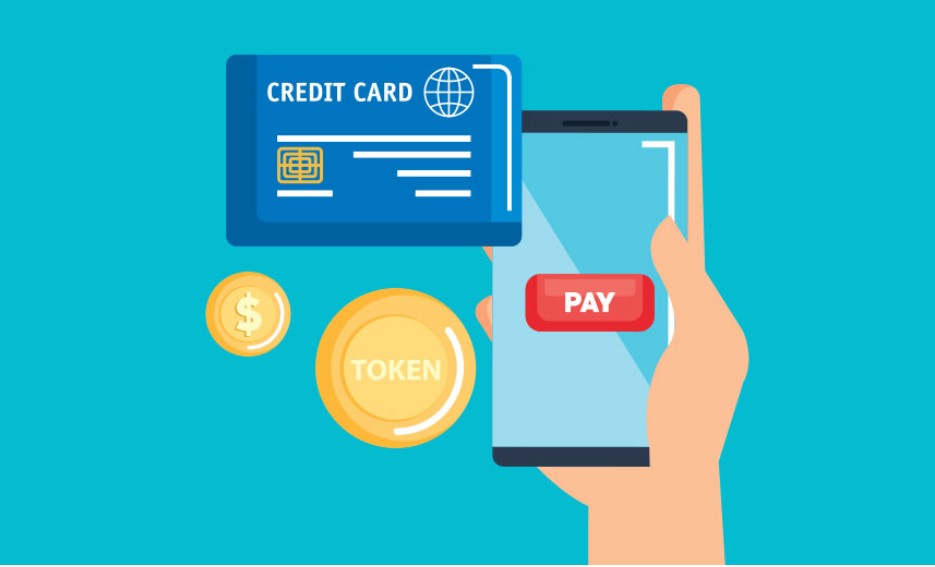
Payment tokenization replaces sensitive payment card information, such as a primary account number (PAN), with a substitute value called a token. The token can be used as a payment reference without requiring the merchant’s business applications to continually store and handle the actual card number.
The PCI SSC describes tokenization as replacing a PAN with a surrogate value and notes that a properly implemented tokenization solution can reduce or eliminate the need for a merchant to retain PAN after the initial transaction.
For a more detailed explanation of tokenization technology, read about Payway’s payment tokenization.
Does Payment Tokenization Reduce PCI DSS Scope?
Yes. Properly implemented payment tokenization can reduce PCI DSS scope by limiting the systems that store, process, or transmit actual cardholder data.
The PCI SSC specifically developed tokenization guidance to address how the technology may reduce the scope of the CDE and the effort required to conduct a PCI DSS assessment.
This means that systems that only interact with appropriately designed tokens may potentially be removed from the CDE, depending on how the tokenization solution and payment environment are implemented. The important distinction is:
Tokenization can reduce PCI DSS scope. It does not eliminate PCI DSS compliance responsibilities.
The actual impact on PCI scope depends on factors including where the original card information is captured, where it is stored, whether a system has the ability to retrieve cardholder data, and whether a system can impact the security of the CDE.
How Does Payment Tokenization Reduce PCI DSS Scope?
Payment tokenization can reduce PCI DSS scope by minimizing the number of places where actual payment card information exists within your technology environment.
Here’s how the process typically works.
1. The Customer Enters Payment Information
When a customer initially provides a credit or debit card, the payment information is securely captured for processing.
Whether this part of the transaction is within your PCI DSS scope depends on how your payment environment is implemented and whether your systems store, process, or transmit the raw PAN.
2. The Card Number Is Replaced With a Token
The payment system creates a token to represent the customer’s payment credential.
Instead of keeping the customer’s card number in internal business applications, the merchant can associate the token with the customer’s account.
3. Business Systems Store the Token
The merchant’s billing platform and other business applications can use the token as a reference instead of storing the actual card number.
For subscription businesses, this is particularly useful because payment credentials need to remain available for future renewals and other recurring transactions.
4. Recurring Payments Use the Token
When the next subscription payment is due, the merchant’s billing system can submit the token through the payment infrastructure instead of retrieving and transmitting the stored PAN from its own database.
5. PCI DSS Scope Can Be Reduced
Systems that no longer need to store, process, or transmit account data may potentially be excluded from the CDE, depending on the specific tokenization implementation and PCI DSS scoping criteria.
This ability to keep card data out of systems that do not need it is one of the primary reasons tokenization can help businesses reduce PCI DSS scope. The PCI SSC recognizes tokenization as a technology that may reduce the scope of the CDE and the effort associated with PCI DSS assessments.
Payment tokenization can help subscription businesses reduce PCI DSS scope by replacing sensitive card numbers with tokens. Learn how tokenization protects stored payment data, what remains in PCI scope, and how it supports secure recurring payments.
Why PCI DSS Scope Reduction Matters for Subscription Businesses
Subscription businesses face a payment-security challenge that many one-time-purchase businesses do not: payment credentials may need to remain available for months or even years of recurring transactions.
Stored credentials may be used to:
- Process monthly or annual subscription renewals
- Recover failed recurring payments
- Process usage-based transactions
- Upgrade or downgrade subscriptions
- Maintain uninterrupted service
Without tokenization, storing and accessing actual card numbers can increase the number of systems and processes exposed to sensitive payment information.
With payment tokenization, the customer’s token can serve as the payment reference for subsequent recurring transactions, allowing business applications to operate without repeatedly accessing the actual card number.
Does Tokenization Eliminate PCI DSS Compliance?
No. Payment tokenization reduces exposure to sensitive cardholder data and may reduce PCI DSS scope, but it does not eliminate a merchant’s PCI DSS responsibilities.
Merchants remain responsible for properly implementing their tokenization solution and determining and validating the appropriate scope of their PCI DSS environment. The PCI SSC specifically states that merchants are ultimately responsible for the proper implementation, deployment, and operation of the tokenization solutions they use.
Depending on your payment environment, PCI DSS responsibilities may still include:
- Maintaining appropriate security controls
- Protecting systems that remain within the CDE
- Managing access to payment environments
- Ensuring integrations are securely implemented
- Evaluating relevant third-party service providers
- Confirming and documenting PCI DSS scope
- Completing the appropriate PCI DSS validation
Your specific PCI DSS validation requirements should be confirmed with your acquirer, payment brands, or Qualified Security Assessor (QSA), as appropriate.
Does Payment Tokenization Qualify You for SAQ A?
Not necessarily. Implementing tokenization does not automatically qualify a business for SAQ A.
Self-Assessment Questionnaire eligibility depends on the business’s payment channels, payment architecture, how card information is collected and processed, and whether the organization meets all eligibility criteria for a particular SAQ.
For that reason, businesses should not assume that adding tokenization automatically moves them from SAQ D to SAQ A.
Instead, businesses should evaluate their entire payment environment to determine the appropriate PCI DSS validation method.
Payment Tokenization vs. Encryption
Payment tokenization and encryption can both help protect payment information, but they work differently.
Encryption transforms readable payment data into unreadable ciphertext using cryptographic algorithms and keys. Authorized systems with access to the appropriate keys can decrypt the information.
Tokenization substitutes the card number with a token so that applications can use that token instead of handling the underlying payment credential.
The PCI SSC’s tokenization guidance covers both reversible and irreversible token models, which is why it is more accurate to define tokenization by the substitution of sensitive data rather than simply describing every payment token as “non-reversible.”
The technologies may also be used together. For example, encryption can protect account data as it moves through portions of the payment process, while tokenization can reduce the need to store and use that account data later.
How Does Tokenization Work With P2PE?
Tokenization and Point-to-Point Encryption (P2PE) address different areas of payment security.
Payment tokenization is particularly useful for limiting exposure to stored payment information. PCI-listed P2PE solutions are designed to protect account data from the point of interaction through decryption within a secure environment.
When appropriately implemented, these technologies can complement one another by limiting the points at which usable payment information is exposed.
Learn more about Payway’s Point-to-Point Encryption.
What About Network Tokenization?
Network tokenization also replaces sensitive payment credentials with tokens, but the tokens are issued by the payment card networks rather than solely within a merchant’s or payment gateway’s environment.
Network tokenization can provide additional payment security and authentication capabilities while also offering benefits for recurring payments, including credential lifecycle management and payment performance.
For subscription businesses, payment tokenization and network tokenization should not necessarily be viewed as an either-or decision.
Payment tokenization can help minimize the storage and handling of cardholder data and reduce PCI DSS scope, while network tokenization can provide additional advantages throughout the payment lifecycle.
Because the PCI DSS implications of tokenization depend on how a solution is implemented, businesses should evaluate their complete payment architecture rather than assuming that one type of token alone determines their PCI DSS scope.
Want to understand the difference? Read Network Tokenization vs. Payment Tokenization to learn how the technologies compare and where each fits into a subscription payment strategy.
Payment Tokenization and Account Updater for Recurring Payments
For businesses with recurring revenue models, protecting stored credentials is only part of the challenge. Those payment credentials also need to remain current.
An Account Updater service can help maintain updated payment credentials when information changes within the payment ecosystem.
Together, tokenization and payment account updating can help subscription businesses maintain recurring billing while minimizing the need for internal systems and employees to work directly with customers’ card numbers.
What Should You Ask Your Payment Gateway About Tokenization?
If you’re evaluating a payment gateway for subscription or recurring billing, don’t simply ask whether it supports tokenization.
Ask how its tokenization environment works and how that implementation affects your PCI DSS scope.
Consider asking:
- Where is sensitive cardholder data stored?
- Does our application ever store or process the PAN?
- Which systems can access the original payment credentials?
- How are tokens generated, stored, and protected?
- Can our internal systems retrieve the PAN from a token?
- How does the implementation affect our PCI DSS scope?
- What PCI DSS validation does the service provider maintain?
- Does the platform support recurring and card-on-file transactions?
- Does it support network tokenization?
- Does it integrate with Account Updater services?
- What PCI DSS responsibilities remain with us as the merchant?
Understanding the answers can help you determine whether a provider’s tokenization approach actually reduces your organization’s exposure to sensitive payment data.
How Payway Helps Protect Recurring Payment Data
For subscription businesses, payment security isn’t just about protecting the initial transaction. It means securely managing payment credentials throughout an ongoing customer relationship.
Payway’s payment security technology includes tokenization and other tools designed to help businesses minimize their exposure to sensitive payment information.
By keeping cardholder data out of systems that don’t need it, businesses can build a more secure recurring payment environment while potentially reducing their PCI DSS scope.
The goal isn’t simply to satisfy a compliance requirement. It’s to reduce the sensitive payment information your organization needs to handle in the first place.
Reduce PCI DSS Scope With Payment Tokenization
Payment tokenization can be an effective way for subscription businesses to reduce exposure to cardholder data and potentially reduce PCI DSS scope.
By replacing card numbers with tokens, businesses can design recurring billing environments in which fewer applications and systems need to store or handle actual card information.
For subscription companies processing thousands or millions of recurring transactions, reducing the number of places where cardholder data exists can make payment security easier to manage while supporting a more streamlined approach to PCI DSS compliance.
Frequently Asked Questions
Does payment tokenization reduce PCI DSS scope?
Yes. Properly implemented payment tokenization can reduce PCI DSS scope by reducing the number of systems that store, process, or transmit actual cardholder data. The exact scope reduction depends on the merchant’s payment architecture and how the tokenization solution is implemented.
Does tokenization make a business PCI compliant?
No. Tokenization does not automatically make an organization PCI compliant. It can reduce PCI DSS scope, but merchants remain responsible for implementing appropriate security controls and validating their PCI DSS compliance.
Is tokenization required by PCI DSS?
No. PCI DSS does not require every merchant to use tokenization. Tokenization is one technology businesses can use to minimize the amount of cardholder data retained within their environments and potentially reduce PCI DSS scope. PCI SSC provides guidance for evaluating tokenization solutions and their effect on PCI DSS scope.
Does tokenization automatically qualify a business for SAQ A?
No. Tokenization alone does not determine SAQ eligibility. The appropriate SAQ depends on your payment channels, technical architecture, how cardholder data is captured and processed, and whether your organization meets all eligibility requirements for that particular SAQ.
Is payment tokenization the same as encryption?
No. Encryption uses cryptographic algorithms and keys to transform readable payment data into unreadable data. Tokenization substitutes the card number with another value so that business applications can use the token instead of the actual payment credential.
Can systems that only store payment tokens be outside PCI DSS scope?
Potentially. This depends on how the tokenization solution is implemented, the characteristics of the token, connectivity with the CDE, the ability to retrieve cardholder data, and whether the system can affect the security of the CDE.
Is network tokenization more secure than payment tokenization?
Network tokenization can offer additional security and authentication capabilities, but it serves a broader purpose than PCI DSS scope reduction. Network tokens are issued within the payment network ecosystem and can provide additional benefits for recurring transactions. Businesses should evaluate payment tokenization and network tokenization based on their complete payment and security strategy rather than assuming one automatically replaces the other.
What is the difference between payment tokenization and network tokenization?
Payment tokenization generally replaces card data with a token managed within the payment provider or merchant payment environment, while network tokenization uses tokens issued within the card-network ecosystem. Payment tokenization is commonly used to limit exposure to stored PANs, while network tokenization can provide additional capabilities across the payment lifecycle.
For a deeper comparison, read Network Tokenization vs. Payment Tokenization.
Why is payment tokenization important for subscription businesses?
Subscription businesses need payment credentials available for future recurring transactions. Tokenization allows billing systems to reference a customer’s payment credential without requiring those business applications to continually store and use the actual card number.
How does payment tokenization work for recurring payments?
After the customer’s payment credential is tokenized, the subscription billing platform associates the token with the customer account. For subsequent transactions, the token can be submitted through the payment infrastructure instead of requiring the merchant’s billing application to retrieve the actual PAN.
Related Resources
Network Tokenization vs Payment Tokenization: What’s the Difference?
How Payment Tokenization Enables Faster Checkout and Reduces Subscription Churn
Payment Security Guide for Subscription-Based Businesses