



What the Durbin Amendment Can Teach Us About Payment Processing Costs
What Is the Durbin Amendment?
The Durbin Amendment is a provision of the Dodd-Frank Wall Street Reform and Consumer Protection Act that limits the debit card interchange fees large financial institutions can charge merchants. Introduced in 2010, the regulation was designed to increase competition and reduce payment processing costs for businesses that accept debit cards.
While the amendment successfully reduced certain debit card interchange fees, it also revealed an important lesson about payment processing: reducing one fee within a transaction does not necessarily reduce the total cost of accepting payments.
More than 15 years later, the Durbin Amendment remains one of the most frequently discussed payment regulations because it offers valuable insights into how the modern payments ecosystem actually works.
Why Was the Durbin Amendment Created?
Before the Durbin Amendment was enacted, many merchants argued that debit card interchange fees were too high relative to the risk involved in processing debit transactions.
Unlike credit card purchases, debit card transactions are funded directly from a consumer’s bank account. Because there is no lending involved, lawmakers believed the costs associated with these transactions should be lower. The goal was straightforward:
- Reduce debit card interchange fees
- Increase competition among payment networks
- Lower merchant payment processing costs
- Ultimately reduce prices for consumers
In many respects, the law achieved those objectives. Debit card interchange fees declined, and merchants gained greater flexibility in routing certain debit transactions.
However, the broader economic outcomes proved far more complex.
Understanding the Payment Processing Ecosystem
One of the biggest misconceptions about payment processing is that a single company handles a transaction from start to finish.
When a consumer taps a card at checkout, a complex network of providers works behind the scenes to authorize, route, process, and settle the transaction.
The payment ecosystem may include:
- Cardholder
- Merchant
- Payment gateway
- Payment processor
- Acquiring bank
- Issuing bank
- Card network
- Fraud prevention provider
- Digital wallet provider
- Payment software platform
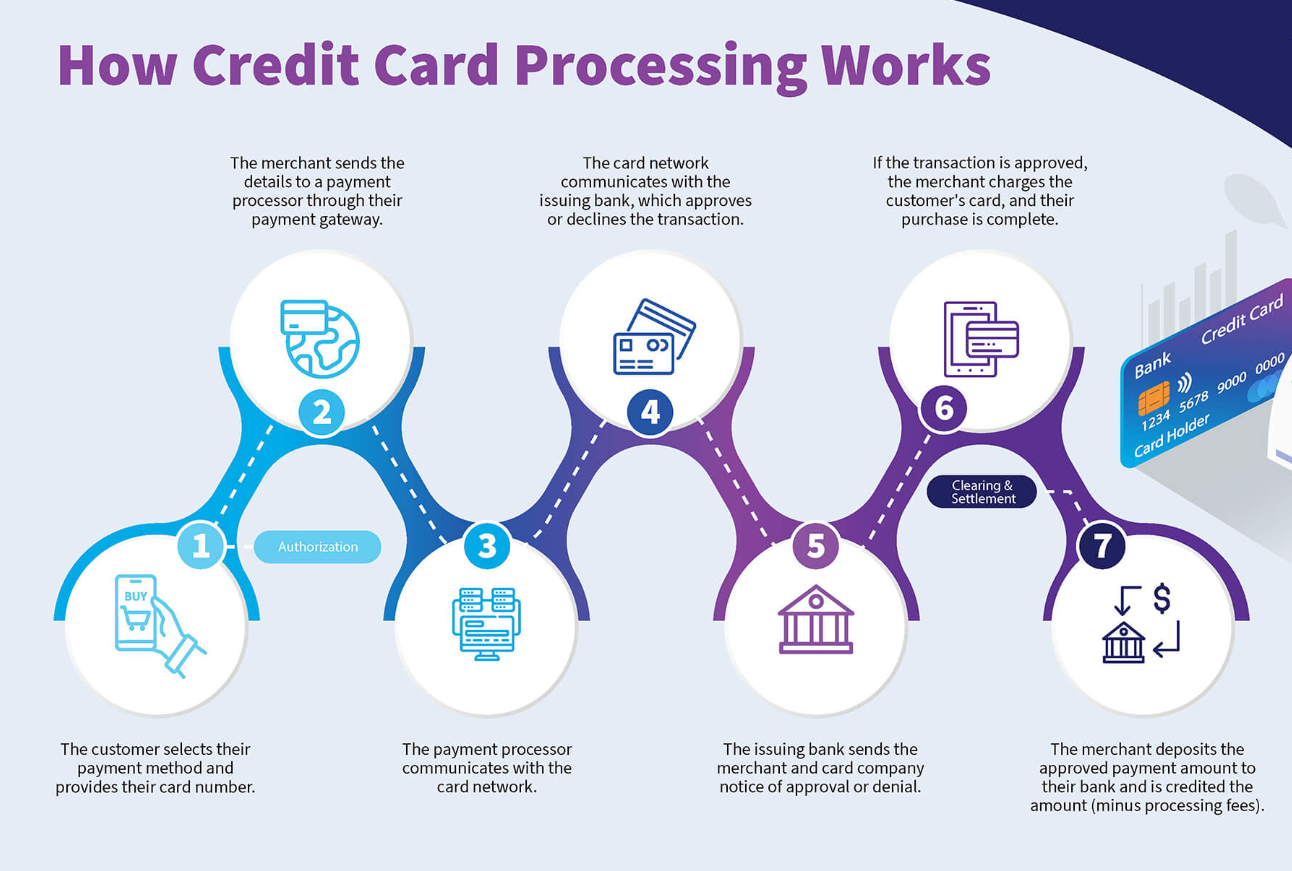
Each participant contributes technology, infrastructure, risk management, security, or financial services.
As a result, interchange fees represent only one component of overall payment processing costs.
What Are Interchange Fees?
These fees help cover:
- Transaction processing
- Fraud prevention
- Network infrastructure
- Customer account management
- Card issuance and maintenance
Interchange fees often receive significant attention because they are among the largest components of merchant payment processing costs. However, they are not the only fees associated with accepting electronic payments.
Other costs can include:
- Payment gateway fees
- Payment processor markups
- Monthly platform fees
- PCI compliance costs
- Fraud management services
- Subscription billing tools
- Reporting and analytics features
Understanding these layers is critical when evaluating the true cost of payment acceptance.
Why Lower Interchange Fees Doesn’t Always Lower Total Payment Processing Costs
The Durbin Amendment successfully lowered certain debit card interchange fees. Yet many merchants discovered that their overall payment processing expenses did not decline as dramatically as anticipated.
Why?
Because interchange represents only one part of a larger pricing structure.
Imagine your cable provider reduces the cost of one channel while leaving every other charge unchanged. Although one component becomes less expensive, the overall bill may remain largely the same.
Many merchants operate under bundled pricing models that combine payment processing with services such as:
- Fraud protection
- Chargeback management
- Customer support
- Recurring billing
- Tokenization
- Payment security
- Software integrations
These services provide real business value, but they also influence the merchant’s total cost of accepting payments.
The Durbin Amendment demonstrated that reducing a single fee does not automatically reduce every expense associated with payment acceptance.
Did Consumers Benefit From the Durbin Amendment?
One of the most common questions surrounding the Durbin Amendment is whether consumers ultimately received the savings lawmakers envisioned. The answer depends on how those savings are measured.
Many merchants experienced reduced debit card interchange costs. However, lower business expenses do not automatically translate into lower retail prices.
Retail pricing is influenced by multiple factors, including:
- Labor costs
- Inventory expenses
- Rent
- Insurance
- Inflation
- Supply chain costs
- Market competition
Because businesses must balance numerous operating expenses, reducing one cost category does not guarantee lower prices at the register.
This does not necessarily mean the policy failed. Rather, it illustrates the complexity of market economics and payment processing costs.
What Merchants Can Learn From the Durbin Amendment
For merchants evaluating payment providers, the Durbin Amendment offers an important lesson:
Focus on total payment processing costs, not individual fees. Businesses should evaluate:
- Pricing Transparency. Can you clearly see what you’re paying for?
- Technology Capabilities. Does the provider support modern payment methods such as digital wallets and recurring payments?
- Payment Security. What fraud prevention and security tools are included?
- Customer Support. What level of assistance is available when issues arise?
- Integration Options. Can the payment solution integrate with your existing software and workflows?
A lower interchange fee may not deliver meaningful savings if processing inefficiencies or technology limitations create costs elsewhere.
Why the Durbin Amendment Still Matters Today
The lessons of the Durbin Amendment remain relevant because policymakers continue to debate payment regulations and payment network competition.
New proposals often focus on reducing specific transaction costs or increasing network choice in the payments ecosystem.
Regardless of political perspective, the Durbin Amendment provides a useful case study for understanding how payment systems function.
It demonstrates that:
- Payment costs are interconnected.
- Regulatory changes can have unintended consequences.
- Merchant savings do not always translate directly to consumer savings.
- The payments ecosystem is more complex than a single transaction fee.
For businesses, understanding these realities can support better payment processing decisions and supplier evaluations.
Looking Beyond Individual Fees
The most important question facing merchants today is not whether a single fee is too high.
The better question is whether the entire payment ecosystem is delivering:
- Transparency
- Competition
- Security
- Innovation
- Reliability
- Value
Payment systems continue to evolve through digital wallets, embedded payments, artificial intelligence, real-time payments, and advanced fraud prevention technologies.
As new regulations emerge, merchants should evaluate payment processing through a broader lens. Looking beyond interchange fees and understanding the full payments ecosystem can lead to more informed business decisions and a clearer view of the true cost of accepting payments.
The Durbin Amendment may have started as a debate about interchange fees, but its most valuable lesson is much larger: in payment processing, every component is connected, and focusing on a single fee rarely tells the whole story.
Final Thoughts: Looking at the Bigger Picture
Frequently Asked Questions
What is the Durbin Amendment?
The Durbin Amendment is a U.S. regulation that limits debit card interchange fees charged by large financial institutions and promotes competition in debit card transaction routing.
How did the Durbin Amendment affect merchants?
Many merchants experienced lower debit card interchange fees, although overall payment processing costs did not always decrease because other payment-related expenses remained unchanged.
What are interchange fees?
Interchange fees are transaction fees paid by merchants to card-issuing financial institutions whenever a consumer uses a debit or credit card.
Did the Durbin Amendment lower consumer prices?
Not necessarily. Retail pricing is influenced by many factors beyond payment processing costs, including labor, inventory, inflation, and competition.
Why is the Durbin Amendment important to payment processing?
The regulation illustrates how changes to one part of the payment ecosystem can affect merchants, consumers, banks, payment processors, and other participants throughout the transaction lifecycle.
What should merchants focus on when evaluating payment providers?
Merchants should consider total payment processing costs, technology capabilities, security, integrations, support, and pricing transparency rather than focusing solely on interchange fees.
Related Resources
Credit Card Processing 101: Understanding the Basics
Payment Processing: The Primary Players
Interchange Fees Explained and Ways to Lower Them
Credit Card Processing & Payment Gateway Fees Explained
Did the Durbin Amendment Deliver on Its Promise?