

Recurring Payment Processing: 3 Proven Ways to Increase Transaction Approvals
For subscription-based businesses, recurring revenue is the foundation of growth. Whether you offer SaaS, memberships, subscription boxes, digital content, professional services, or utility billing, your success depends on one critical factor: getting recurring payments approved consistently.
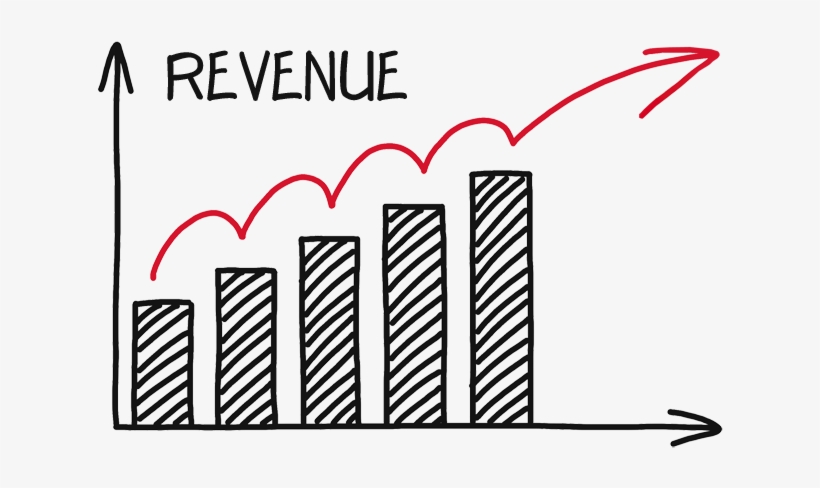
As the subscription economy continues to expand, businesses need a payment strategy designed specifically for recurring payments. According to Juniper Research, the global subscription economy is expected to grow from $593 billion in revenue in 2024 to nearly $996 billion by 2028, representing a 68% increase. With that much growth at stake, improving transaction approval rates can have a significant impact on revenue, customer retention, and lifetime value.
If you’re new to subscription payments, start with our Guide to Understanding Recurring Payments to learn how recurring payments works, the benefits of a recurring payment model, and what to look for when choosing a recurring payment gateway.
Here are three proven ways to optimize recurring payment processing and increase subscription payment approvals.
1. Choose a Payment Provider That Specializes in Recurring Payment Processing
Not all payment providers are built to support recurring payment models.A processor that works well for one-time retail purchases may not provide the tools needed to maximize subscription payment success rates. Recurring payments create unique challenges, including expired cards, issuer declines, changing customer payment preferences, and churn caused by failed payments.
What to Look for in a Recurring Payment Provider
Experience Supporting Subscription Businesses
Look for a provider that understands the recurring billing lifecycle and can help optimize payment approvals while reducing customer churn.
Subscription-focused providers understand:
- Card-on-file transactions
- Merchant-initiated transactions
- Credential-on-file compliance
- Subscription billing best practices
- Revenue recovery strategies
Account Updater Services
One of the leading causes of recurring payment failure is outdated card information. Industry estimates suggest that approximately 30% of payment cards are replaced each year because of expiration, fraud, loss, or reissuance. Understanding the fundamentals of recurring billing can help merchants identify where payment failures occur and how to address them. Learn more in our Guide to Understanding Recurring Payments.
Account Updater services automatically refresh card numbers and expiration dates when issuing banks update customer cards. This helps businesses maintain continuity of service and reduce involuntary churn.
Benefits include:
- Higher authorization rates
- Fewer declined transactions
- Reduced customer interruptions
- Increased recurring revenue
According to Visa, Account Updater helps merchants access updated card credentials and improve authorization approval rates while reducing the risk of declined transactions.
Consider Network Tokenization
In addition to Account Updater services, businesses should consider network tokenization. Network tokens replace sensitive card data with secure credentials that can automatically stay up to date when cards expire or are reissued. This helps reduce payment declines, improve authorization rates, and create a more seamless recurring payment experience.
Cost-Plus Pricing
Transparent pricing models help subscription businesses control processing costs as volume increases.
Cost-plus pricing provides visibility into interchange costs and processor fees, making it easier to forecast expenses and evaluate profitability.
Platform Integrations
Your payment processor should integrate seamlessly with:
- CRM systems
- Subscription management platforms
- ERP software
- Accounting applications
- Ecommerce platforms
Proper data transmission between systems helps ensure transactions are submitted accurately, reducing unnecessary declines.
Customer Support
When recurring billing issues impact revenue, responsive support matters.
Evaluate:
- Service level agreements
- Access to technical resources
- Dedicated account management
- PCI compliance assistance
- Global support capabilities
A knowledgeable payment partner can proactively identify issues before they affect customer retention.
2. Configure Your Merchant Account Correctly
Choosing the right payment provider is only the first step. Your merchant account setup must also be configured properly. Even small setup errors can negatively impact approval rates.
Establish the Proper Merchant ID Structure
Many subscription businesses process both one-time and recurring transactions. Separating these transaction types into different Merchant IDs (MIDs) can improve risk visibility for issuers and help create cleaner transaction data.
Benefits include:
- Improved authorization performance
- Better reporting visibility
- Easier reconciliation
- More effective risk management
Even the best payment processor can’t maximize approval rates if your merchant account isn’t configured properly for subscription billing.
Use the Correct Merchant Category Code
Your Merchant Category Code (MCC) tells card issuers what type of business is submitting the transaction. An inaccurate MCC can increase the likelihood of declines or trigger fraud concerns.
When issuers receive transaction data, they compare it against expected customer spending patterns. Inaccurate categorization may cause transactions to appear suspicious.
Work closely with your payment processor to ensure your MCC accurately reflects your business model.
Optimize Billing Descriptors
Customers often forget the exact company name associated with a subscription. When a billing descriptor is unclear, customers may assume a transaction is fraudulent and initiate a chargeback.
Clear descriptors help customers recognize charges on their statements and can significantly reduce disputes.
Best practices include:
- Use your recognizable brand name
- Include customer service contact information when possible
- Maintain consistency across all billing channels
- Avoid abbreviations that customers may not understand
Reducing friendly fraud and chargebacks contributes directly to better payment performance and stronger customer relationships.
Monitor Authorization Trends
Recurring payment performance should be monitored regularly.
Track metrics such as:
- Authorization rates
- Soft declines
- Hard declines
- Payment recovery rates
- Chargeback ratios
- Customer churn
Analyzing decline patterns allows businesses to identify recurring issues before they become significant revenue problems. Understanding decline codes is one of the most underutilized tools in a merchant’s arsenal. When interpreted correctly, they don’t just tell you that a payment failed — they tell you why, and more importantly, what to do next.
3. Optimize Recurring Payments for Global Growth
As subscription businesses expand internationally, payment complexity increases. What works in the United States may not work in Europe, Asia, Latin America, or other markets.
Global expansion requires a payment strategy tailored to regional preferences.
Leverage Local Acquiring
Local acquiring enables transactions to be processed closer to the customer’s issuing bank.
Benefits include:
- Higher authorization rates
- Reduced interchange costs
- Faster processing
- Improved customer trust
When combined with accurate Merchant Category Codes and properly configured payment data, local acquiring can significantly improve international transaction success.
Offer the Payment Methods Customers Prefer
Consumers increasingly expect their preferred payment method to be available.
Research from PYMNTS found that 70% of consumers view availability of their preferred payment method as highly influential when deciding where to make a purchase.
Failing to support preferred payment methods can lead to abandoned transactions and lost revenue. Depending on your target market, consider supporting:
- Credit cards
- Debit cards
- ACH payments
- Digital wallets
- Direct debit
Research consistently shows that payment friction contributes to abandoned purchases. Baymard Institute reports that average cart abandonment rates remain above 70%, emphasizing the importance of creating a seamless payment experience. The easier it is for customers to understand and complete payment, the higher the likelihood of successful recurring payment.
Final Thoughts
Recurring payment processing is much more than simply charging a card every month. Subscription businesses that optimize their payment infrastructure can improve authorization rates, reduce involuntary churn, strengthen customer retention, and increase recurring revenue.
To maximize transaction approvals:
- Partner with a payment provider experienced in recurring billing.
- Configure your merchant account correctly with the right MID structure, MCC, and billing descriptors.
- Build a global payment strategy that supports local acquiring, preferred payment methods, and local currencies.
The best recurring payment strategy doesn’t just process transactions—it helps protect revenue, reduce churn, and create a frictionless customer experience that supports long-term business success.
Frequently Asked Questions About Recurring Payment Processing
What is recurring payment processing?
Recurring payment processing is the technology and infrastructure that enables businesses to automatically collect customer payments on a scheduled basis. It supports subscription billing models, membership fees, installment plans, and other recurring revenue streams.
Why Does Recurring Payment Processing Matter for Subscription Businesses?
As discussed in our Guide to Understanding Recurring Payments, recurring billing helps improve cash flow, increase customer retention, and create more predictable revenue streams.
Why do recurring payments fail?
Recurring payments can fail for several reasons, including expired cards, insufficient funds, incorrect account information, issuer declines, and outdated card credentials stored on file.
How can businesses improve recurring payment authorization rates?
Businesses can improve authorization rates by choosing a payment provider experienced in recurring billing, implementing Account Updater services, using accurate Merchant Category Codes (MCCs), optimizing billing descriptors, and supporting local payment methods for international customers.
How does local acquiring improve recurring payment approvals?
Local acquiring processes transactions within the customer’s region, making payments more recognizable to issuing banks. This can increase authorization rates, reduce costs, and improve the customer experience.
Related Resources
Recurring Payments: A Complete Business Guide
A Checklist for Choosing the Best Payment Gateway for Recurring Payments
Why Decline Codes Are Key to a Smarter Payment Retry Strategy
How Billing Descriptors Can Help Reduce Discputes & Chargebacks
Understanding Cost-Plus Pricing vs. Bundled Pricing