

Capital One–Discover Merger: What Subscription Businesses Need to Know
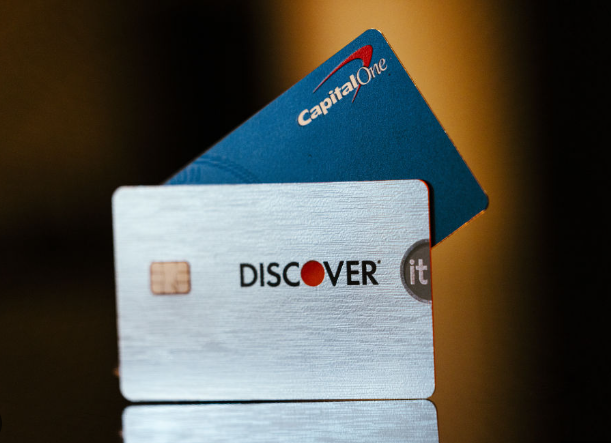
The Capital One-Discover merger is creating one of the most significant shifts we’ve seen in payments, and subscription-based businesses are right at the center. Changes of this scale don’t happen often, especially in a market long dominated by Visa and Mastercard, which handle the vast majority—around 80%—of U.S. card payment volume.[1] When a major issuer like Capital One acquires a company that also operates its own network, it signals a significant reshaping of how payments will move in the future.
As the Capital One-Discover acquisition progresses, it will trigger a wave of updates across the Discover and PULSE debit networks. Because subscription models depend on stored card data, even small breaks in credential accuracy can put predictable revenue at risk.
But here’s the advantage: you don’t have to feel the impact of the Capital One-Discover deal. With the right services and preparation, you can avoid card-on-file disruption even as card numbers change behind the scenes. In this blog, we’ll walk through what’s changing, what it means for recurring payments and how you can stay ahead of the transition so you can stay focused on growing your business—not managing card data.
What the Capital One-Discover Merger Really Means for Your Payments
The Capital One-Discover merger gives Capital One something it has never had before: a fully integrated payments network. With the acquisition, Capital One is gaining:
- The Discover network – provides acceptance to more than 378 million cards worldwide, giving Capital One global reach across a major credit card rail
- The PULSE debit network – a best-in-class U.S. debit network known for strong performance and broad ATM and PIN-debit coverage [2]
That means Capital One now controls the infrastructure behind the Discover network and the PULSE debit network—two rails that will influence how transactions route in the years ahead.
The Capital One-Discover Merger, by the Numbers
- $35.3 billion — total value of the Capital One-Discover deal[3]
- 378+ million — cards accepted across the Discover network[4]
- 25 million – number of Capital One debit cards poised to move to Discover in 2027[5]
- 1 unified ecosystem — issuer + global network + debit network under one brand
For businesses that depend on subscription billing, this credit card merger matters because it directly affects how card-on-file transactions are processed. As Capital One migrates card portfolios to the Discover network, updates will roll out in waves, making it harder for businesses to predict when card data will shift.
Taken together, these changes will create:
- A new end-to-end network owner: Capital One can now route its own transactions, shifting its position from a Visa and Mastercard customer to a direct competitor
- More card-on-file disruption: As portfolios shift, card numbers will change, triggering card-on-file updates that businesses must be ready to manage
- Stronger routing opportunities: More competition means greater leverage for businesses to explore better pricing and performance, especially across the Discover and PULSE debit networks
The Capital One-Discover deal is already reshaping the market, but with the right preparation, subscription and recurring payment businesses can turn this transition into an advantage instead of a disruption.
How the Capital One-Discover Merger Could Affect Your Processing Fees
The Capital One-Discover acquisition may also influence the fees you pay to accept payments. With Capital One shifting from issuer to network owner, the market gains a stronger competitor to Visa and Mastercard. More competition often leads to better pricing over time, giving merchants greater leverage than they’ve historically had in a largely two-network environment.
The merger also strengthens debit routing flexibility. Because the Durbin Amendment requires at least two unaffiliated networks for debit routing, the PULSE debit network becomes an even more valuable option.
For businesses handling high transaction volumes, this deal also introduces a new negotiating lever. Having another major network in the mix can improve your position when reviewing fees with your existing partners, since you now have a more viable alternative to route volume through if terms become less competitive.[6]
Navigating the Card-on-file Transition During the Capital One-Discover Merger
One of the most important things to understand about the Capital One-Discover merger is that this transition won’t happen in a single day. Instead, the Capital One-Discover deal will unfold in waves as portfolios move onto the Discover and PULSE debit networks. That means the updates that come with this acquisition won’t be predictable or follow a set schedule.
Why Card-Not-Present Volume Matters More Than Ever
Card-not-present transactions accounted for 36% of all debit transactions and 45% of all debit spend in 2023, rising more than 5% in a single year. It’s a clear signal that businesses relying on recurring, card-on-file payments need systems built to manage continuous change.[7]
This rolling migration creates a challenge with card-on-file transitions. As Capital One reissues cards and updates account data, many customers will receive new card numbers—often without realizing it. For businesses that depend on consistent renewals, this can result in failed transactions that can create unnecessary churn and revenue gaps.
What does that mean in practice?
- You won’t receive advance notice when a specific customer’s information will change
- Declines may temporarily spike if your payment processing system doesn’t update card numbers
- Billing failures might seem unpredictable as the Discover network absorbs more Capital One cardholders over time
These challenges illustrate why planning matters for recurring revenue protection. When a credit card merger introduces continuous change behind the scenes, businesses that rely on subscription revenue need payment processes built to adapt. The more resilient your approach to the card-on-file transition, the less likely you are to experience disruptions as the Capital One-Discover acquisition moves forward.
How subscription-based businesses can prepare
The good news amidst so much potential disruption is that, with a few proactive steps, you can stay ahead of the changes and keep payments running smoothly.
Audit your recent transaction activity
We recommend starting by reviewing the last six months of payment data to understand how much of your card-on-file volume may be affected. Look specifically at transactions tied to Capital One-issued cards and those already running on the Discover or PULSE debit networks. This baseline helps you estimate potential revenue at risk as portfolios begin to shift.
Align engineering and finance teams early
Two teams play a key role in preparing for the transition:
- Engineering should evaluate whether your payment vault or credit card vault is equipped to handle ongoing card number updates. If your systems can’t refresh credentials automatically, now is the time to strengthen those controls
- Finance should assess how failed renewals could impact cash flow and how much value you gain by preventing declines throughout the transition
Enable automated credential updates to avoid disruptions
This is where an account updater, account updater service, automatic billing updater or card updater becomes essential. As Capital One reissues cards and moves accounts onto new network rails, an updater service keeps your stored card data up to date.
A more advanced updater doesn’t just flag closed accounts; it actively retrieves new credentials and automatically updates your payment vault, helping you avoid billing failures that often occur during large-scale card mergers.
Strengthen your retry and dunning strategies
Because migration occurs in waves, consider adjusting your decline-retry logic to account for intermittent changes. Flexible billing and retry cadences help reduce unnecessary churn during the card-on-file transition.
Monitor performance throughout the rollout
Track authorization rates, failed renewals, churn tracking metrics and overall billing trends weekly. With a transition as dynamic as the Capital One-Discover acquisition, continuous optimization helps you respond quickly to emerging patterns.
Prepare support teams for customer questions
As customers receive new cards, support teams may hear, “My card is still valid—why was my payment declined?” Equip them with clear guidance that explains the behind-the-scenes changes happening due to the Capital One-Discover merger and clear steps to remedy any customer issues or complaints.
The Bottom Line: Staying Ahead of the Capital One-Discover merger
The Capital One-Discover merger is already reshaping how payments move, especially for businesses that rely on recurring revenue. As changes roll out in waves, this credit card merger will continue to introduce updates across the Discover and PULSE debit networks—many of which occur quietly in the background and directly affect card-on-file billing.
With the right preparation, you can strengthen recurring revenue protection and keep payments running smoothly throughout the transition. With advanced tools that keep your card-on-file data up to date, like the Payway Account Updater, you can prevent unnecessary declines and protect your subscription revenue during the transition.
We’re here to help you navigate these changes with confidence. Our concierge support team is on hand to help you keep payments running smoothly through industry shifts with the right tools and guidance, so you can stay focused on growing your business rather than on customer card data.
FAQs: Capital-One-Discover Merger
How will the Capital One-Discover acquisition affect card-on-file billing and recurring payments in my subscription business?
The Capital One-Discover merger will trigger card number changes as Capital One portfolios move onto the Discover network and the PULSE debit network. Updates will occur in waves rather than all at once, and merchants will not receive advance notice for individual customers. That means subscription businesses that rely on card-on-file billing and recurring payments may see unexpected declines if stored credentials aren’t kept up to date.
Merchants should expect:
- Intermittent declines when outdated card information is used
- Unpredictable timing, since migration waves vary across portfolios
- Higher renewal risk for subscription billing and recurring payments if card-on-file data becomes stale
How can an account updater or card updater service help my business avoid failed payments during the credit card merger?
An account updater or account updater service helps prevent failed payments by automatically refreshing stored card data when a card number, expiration date or network changes. During a credit card merger such as the Capital One-Discover deal, this capability becomes especially important because cardholder data updates occur repeatedly as portfolios migrate.
Advanced account updater services can retrieve updated credentials even when cards migrate between networks, ensuring your vault always reflects the most current information. This reduces declines, improves authorization rates and keeps recurring payments flowing without manual intervention.
If you use Payway, our Account Updater automatically manages every cardholder data update, reducing the number of transaction issues businesses experience during large-scale shifts.
Does the Capital One-Discover merger change how transactions route across the Discover network or PULSE debit network, and how might that affect my processing costs?
Yes. By acquiring Discover, Capital One becomes a vertically integrated issuer and network owner, gaining especially for debit transactions that may move over the PULSE debit network. According to industry analysis, increased competition among networks may give merchants greater leverage in negotiating processing terms.[8]
For subscription and recurring payment businesses, this increased routing flexibility may help reduce costs over time, particularly as Discover and PULSE serve as alternative rails to the traditional Visa and Mastercard networks.
What steps should subscription-based businesses take now to protect recurring revenue during the Capital One-Discover merger?
Subscription-based businesses should take a few key steps:
- Audit recent transactions to understand the volume of transactions involving Capital One-issued cards
- Ensure automated updates by using an account updater or card updater to manage ongoing cardholder data updates
- Improve billing resiliency by refining retry and dunning strategies to handle unexpected declines
- Monitor performance—authorization rates, renewal failures, churn tracking and billing patterns
- Prepare support teams to handle customer questions about unexpected declines during the transition
Together, these steps help protect recurring revenue while the Capital One-Discover merger progresses.
What support can I expect from Payway as the Capital One-Discover deal progresses and millions of cards migrate to the Discover network?
Payway’s concierge support team is always available to help you manage questions, customer issues and payment challenges that arise during the Capital One-Discover acquisition. We stay ahead of industry changes, proactively implementing solutions that keep your recurring payments stable and minimize disruption for you and your customers.
Whether you’re navigating card-on-file updates, routing changes or authorization issues, we’re here to ensure your payment processes stay smooth and frictionless through every stage of the transition.
[1] Spreedly (2025). Don’t Get Left Behind: Why the Capital One-Discover Merger Changes Everything for Merchants.
[2] Discover Global Network (2025). Our Unique Network.
[3] Capital One (2024). Capital One to Acquire Discover.
[4] Discover Global Network (2025). Our Unique Network.
[5] Digital Transactions (2024). For Cap One, the Pulse Network Is the ‘Rare Asset’ in Its $35.3 Billion Deal for Discover.
[6] Spreedly (2025). Don’t Get Left Behind: Why the Capital One-Discover Merger Changes Everything for Merchants.
[7] Discover (2024). PULSE® Study Finds Debit’s Importance to Consumers Continues to Increase.
[8] Spreedly (2025). Don’t Get Left Behind: Why the Capital One-Discover Merger Changes Everything for Merchants.